



DNA/RNA Synthesis
RNA synthesis, which is also called DNA transcription, is a highly selective process. Transcription by RNA polymerase II extends beyond RNA synthesis, towards a more active role in mRNA maturation, surveillance and export to the cytoplasm.
Single-strand breaks are repaired by DNA ligase using the complementary strand of the double helix as a template, with DNA ligase creating the final phosphodiester bond to fully repair the DNA.DNA ligases discriminate against substrates containing RNA strands or mismatched base pairs at positions near the ends of the nickedDNA. Bleomycin (BLM) exerts its genotoxicity by generating free radicals, whichattack C-4′ in the deoxyribose backbone of DNA, leading to opening of the ribose ring and strand breakage; it is an S-independentradiomimetic agent that causes double-strand breaks in DNA.
First strand cDNA is synthesized using random hexamer primers and M-MuLV Reverse Transcriptase (RNase H). Second strand cDNA synthesis is subsequently performed using DNA Polymerase I and RNase H. The remaining overhangs are converted into blunt ends using exonuclease/polymerase activity. After adenylation of the 3′ ends of DNA fragments, NEBNext Adaptor with hairpin loop structure is ligated to prepare the samples for hybridization. Cell cycle and DNA replication are the top two pathways regulated by BET bromodomain inhibition. Cycloheximide blocks the translation of mRNA to protein.
DNA/RNA Synthesis Isoform Specific Products
All Product Categories
-
DNA/RNA Synthesis Inhibitors
(1444)
View all products
-
DNA/RNA Synthesis Agonists
(11)
View all products
-
DNA/RNA Synthesis Antagonists
(2)
View all products
-
DNA/RNA Synthesis Activators
(43)
View all products
-
DNA/RNA Synthesis Modulators
(34)
View all products
-
DNA/RNA Synthesis Chemicals
(20)
View all products
-
DNA/RNA Synthesis Inducers
(15)
View all products
-
DNA/RNA Synthesis Degraders
(4)
View all products
-
DNA/RNA Synthesis Controls
(5)
View all products
-
DNA/RNA Synthesis Substrates
(6)
View all products
-
DNA/RNA Synthesis Ligands
(5)
View all products
-
DNA/RNA Synthesis Related Products (2889)
Related Products (2889)

-
Antibodies (248)
-
DNA/RNA Synthesis Isoform Comparison
-
Cycloguanil-d6
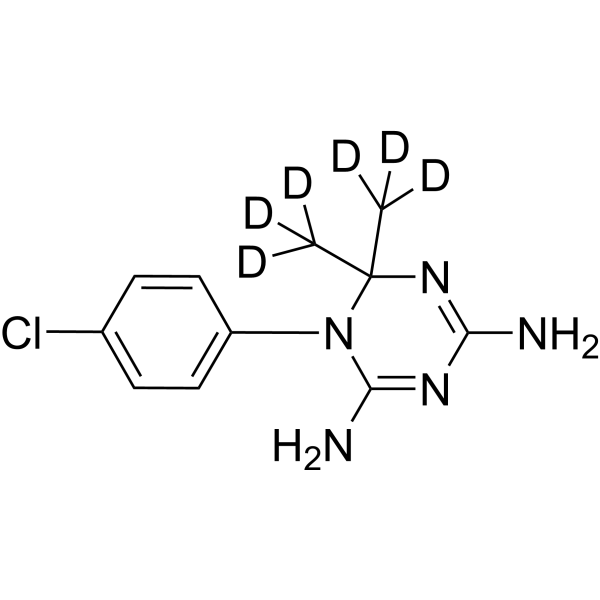 0 ImagesSynonyms: Chlorguanide triazine-d6Cycloguanil-d6 (Chlorguanide triazine-d6) is the deuterium labeled Cycloguanil (HY-12784). Cycloguanil is a dihydrofolate reductase (DHFR) inhibitor with an IC50 of 10.8 μM against human DHFR. Cycloguanil blocks the folate metabolic pathway, thereby affecting nucleotide synthesis and interfering with DNA replication. Cycloguanil inhibits DHFR in Plasmodium and is thus used in malaria research. Cycloguanil also potently inhibits DHFR in human cancer cells and blocks the transcriptional activity of STAT3, thereby exhibiting anticancer activity.
-
5'-O-TBDMS-dA
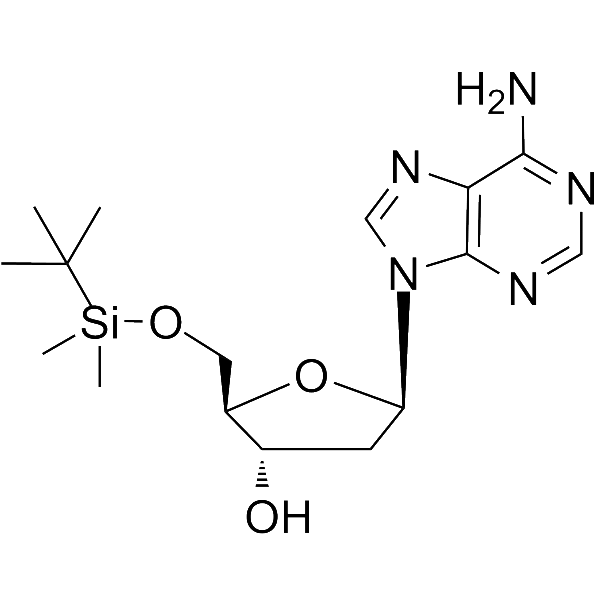 0 Images5'-O-TBDMS-dA is a modified nucleoside and can be used to synthesize DNA or RNA.
-
Caracemide
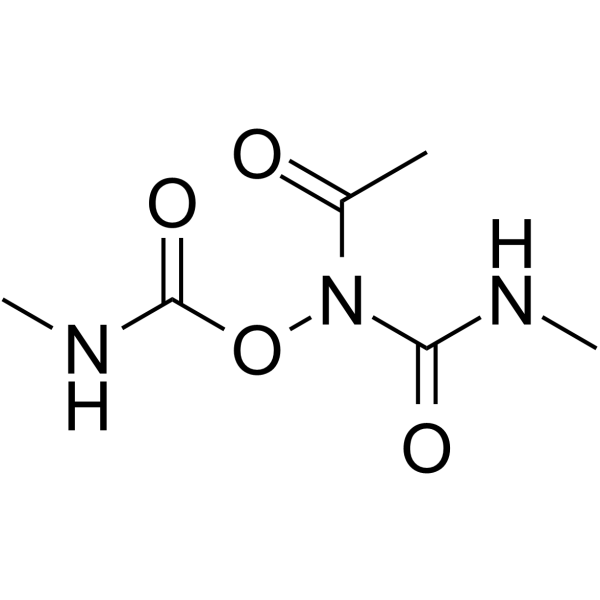 0 ImagesCat. No.: HY-119974CAS No.: 81424-67-1Synonyms: NSC-253272Caracemide (NSC-253272) inhibits the enzyme ribonucleotide reductase of Escherichia coli. Caracemide is a novel anticancer agent derived from a hydroxamic acid and has demonstrated to produce severe central nervous system (CNS) toxicity.
-
AZT triphosphate TEA
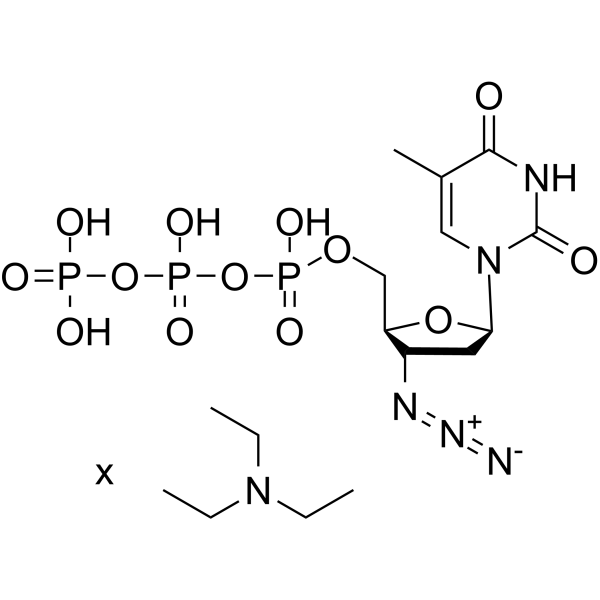 0 ImagesCat. No.: HY-116364ASynonyms: 3'-Azido-3'-deoxythymidine-5'-triphosphate TEAAZT triphosphate (3'-Azido-3'-deoxythymidine-5'-triphosphate) TEA is a active triphosphate metabolite of Zidovudine (AZT). AZT triphosphate TEA exhibits antiretroviral activity and inhibits replication of HIV. AZT triphosphate TEA also inhibits the DNA polymerase of HBV. AZT triphosphate TEA activates the mitochondria-mediated apoptosis pathway.
-
RNase L ligand 2
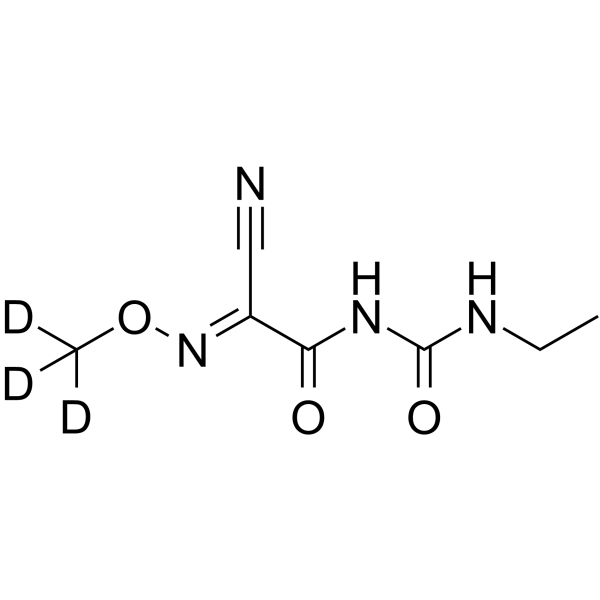
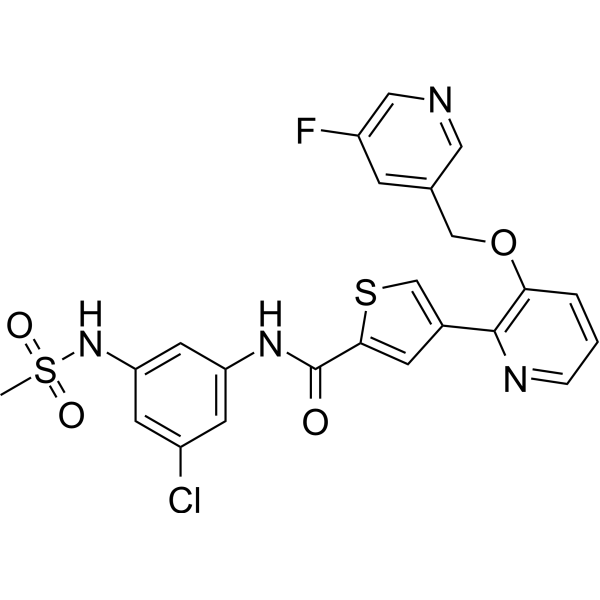
 0 ImagesCat. No.: HY-168457CAS No.: 3025538-34-2RNase L ligand 2 (compound 6) is the Rnase L ligand part of RNAse L RIBOTAC (HY-168455), an RNA-degrading chimera which binds to a four-way RNA helix called SL5 in the 5’ UTR of the SARS-CoV-2 RNA genome and inhibits the virus replication in lung epithelial carcinoma cells. RNase L ligand 2 can be used in the synthesis of RIBOTAC.
-
Cynaroside (Standard)
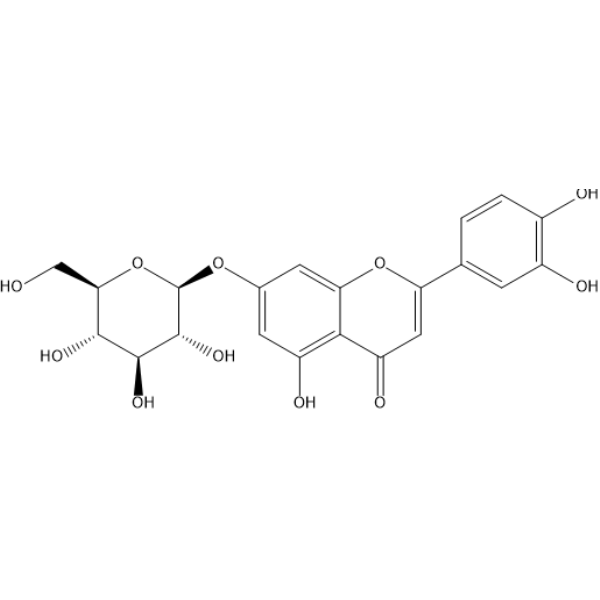 0 ImagesSynonyms: Luteolin 7-glucoside (Standard); Luteolin 7-O-β-D-glucoside (Standard)Cynaroside (Standard) is the analytical standard of Cynaroside. This product is intended for research and analytical applications. Cynaroside (Luteolin 7-glucoside) is a flavonoid compound that exhibits anti-oxidative capabilities. Cynaroside is also a potent influenza RNA-dependent RNA polymerase inhibitor with an IC50 of 32 nM. Cynaroside also is a promising inhibitor for H2O2-induced apoptosis, has cytoprotection against oxidative stress-induced cardiovascular diseases. Cynaroside also has antibacterial, antifungal and anticancer activities, antioxidant and anti-inflammatory activities.
-
Erythromycin (Standard)
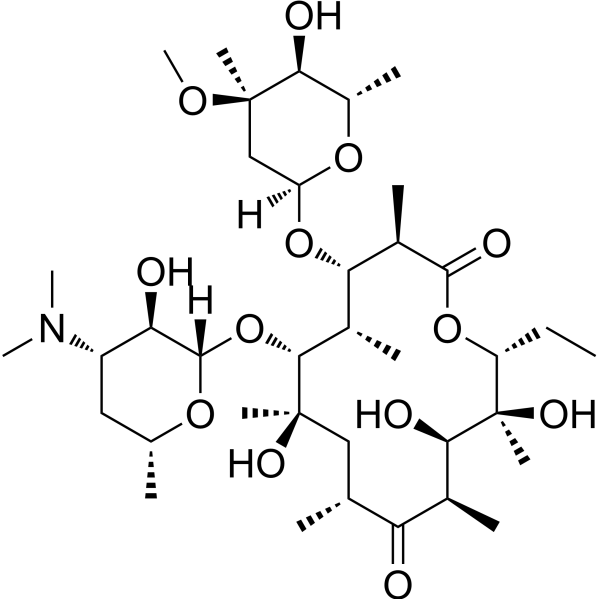 0 ImagesErythromycin (Standard) is the analytical standard of Erythromycin. This product is intended for research and analytical applications. Erythromycin is a macrolide antibiotic produced by actinomycete?Streptomyces erythreus?with a broad spectrum of antimicrobial activity. Erythromycin binds to bacterial 50S ribosomal subunits and inhibits?RNA-dependent protein synthesis?by blockage of transpeptidation and/or translocation reactions, without affecting synthesis of nucleic acid. Erythromycin also exhibits antitumor and neuroprotective effect in different fields of research.
-
AFP464 free base
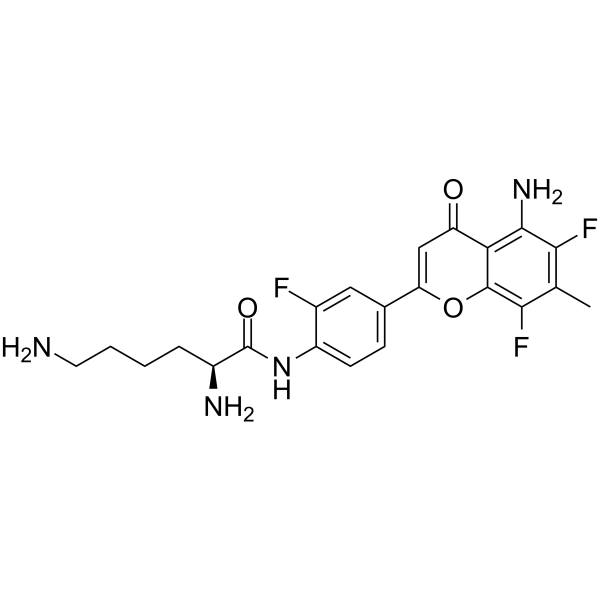 0 ImagesCat. No.: HY-16031CAS No.: 468719-52-0Synonyms: NSC710464 free baseAFP464 (NSC710464) free base is a prodrug of Aminoflavone (HY-132974) and an agonist of the aryl hydrocarbon receptor (AhR). AFP464 free base downregulates the expression of α6-integrin (α6-integrin), inhibits breast tumor growth, reduces the population of tumor-initiating cells, disrupts mammosphere structure, induces the formation of mucin lake clusters, triggers DNA damage, and exerts antiproliferative activity. AFP464 free base is rapidly converted to Aminoflavone by nonspecific esterases in plasma and cell culture media. AFP464 free base is applicable to research related to breast cancer.
-
5-Vinyl-2'-deoxyuridine
 0 ImagesSynonyms: 5-VINYL-DURD5-Vinyl-2'-deoxyuridine (5-VINYL-DURD), a thymidine analogue, is incorporated into cellular DNA during DNA replication. 5-Vinyl-2'-deoxyuridine is a click chemistry reagent, it contains an Alkyne group and induces DNA damage leads to apoptosis in human cultured cells.
-
TLSC702
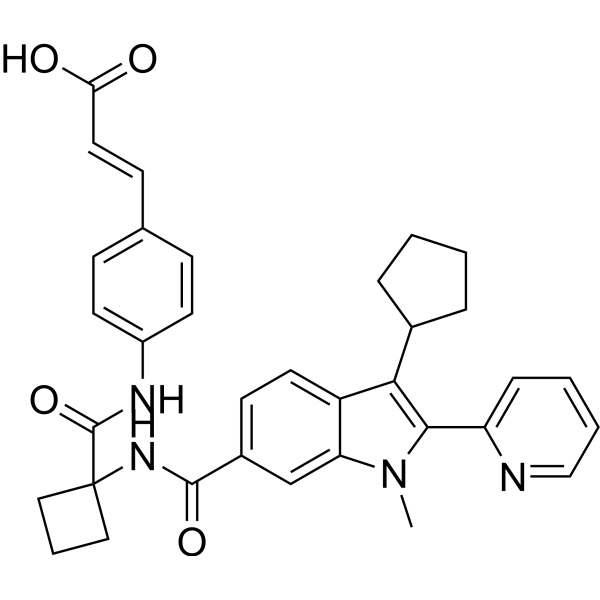
 0 ImagesCat. No.: HY-117208CAS No.: 748786-57-4TLSC702 is a human glyoxalase I (hGLO I) inhibitor with an IC50 of 2.0 μM. TLSC702 inhibits the activity of human glyoxalase I, thereby leading to the accumulation of methylglyoxal and its derived advanced glycation end products. TLSC702 inhibits tumor cell proliferation, induces apoptotic morphological changes, internucleosomal DNA fragmentation and PARP cleavage in tumor cells. TLSC702 can be used in research related to leukemia and lung cancer.
-
Chem-0199
 0 ImagesCat. No.: HY-178193Chem-0199 is an Adipocyte Enhancer-Binding Protein 1 (AEBP1) inhibitor. Chem-0199 can disrupt the interaction between AEBP1 and CKAP4, thereby enhances antitumor immunity. Chem-0199 can inhibit Akt phosphorylation (p-Akt) and downregulates PD-L1 expression. Chem-0199 can be used for the research of cancer, such as colon cancer.
-
hDHODH-IN-1
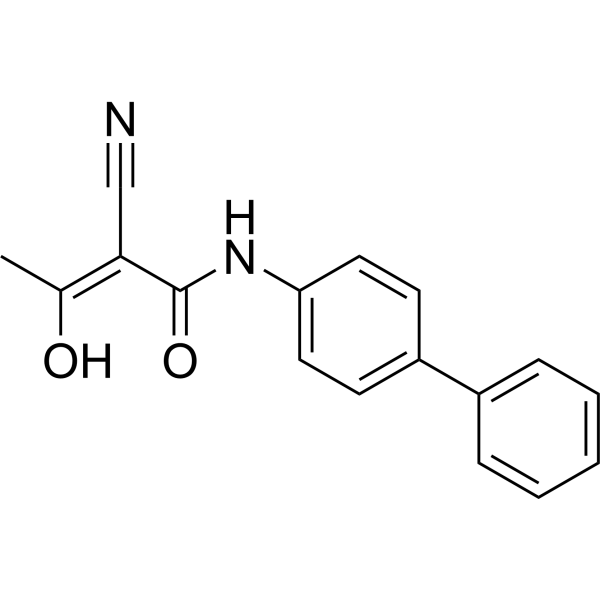 0 ImageshDHODH-IN-1 is a human dihydroorotate dehydrogenase (hDHODH) inhibitor. hDHODH-IN-1 has anti-inflammatory effect.
-
dGTP-d14 dilithium
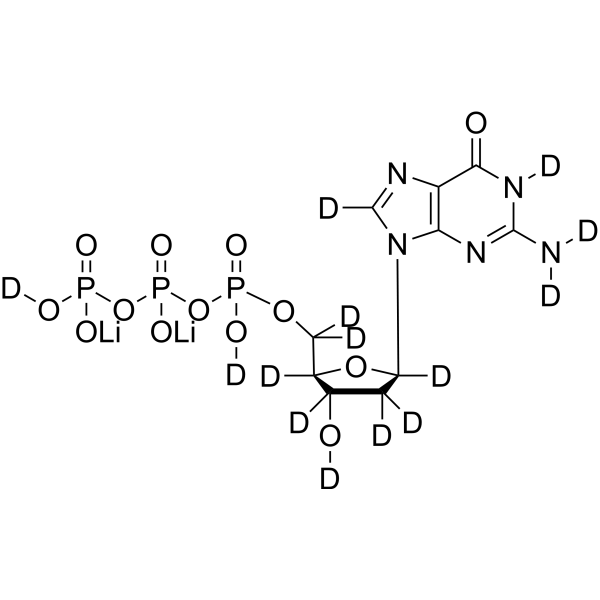 0 ImagesCat. No.: HY-138616S1Purity: 98.5%Synonyms: 2'-Deoxyguanosine-5'-triphosphate-d14 dilithiumdGTP-d14 (2'-Deoxyguanosine-5'-triphosphate-d14) dilithium is deuterium labeled dGTP (HY-138616). dGTP (2'-Deoxyguanosine-5'-triphosphate), a guanosine nucleotide, can be used in deoxyribonucleic acid synthesis. Guanosine nucleotides (GDP, GTP, dGDP, and dGTP) are highly susceptible to oxidative damage to 8-oxo-GDP (8-O-GDP), 8-O-dGTP, 8-O-GTP, and 8-O-dGTP.
-
1,2-Dihydrotanshinone
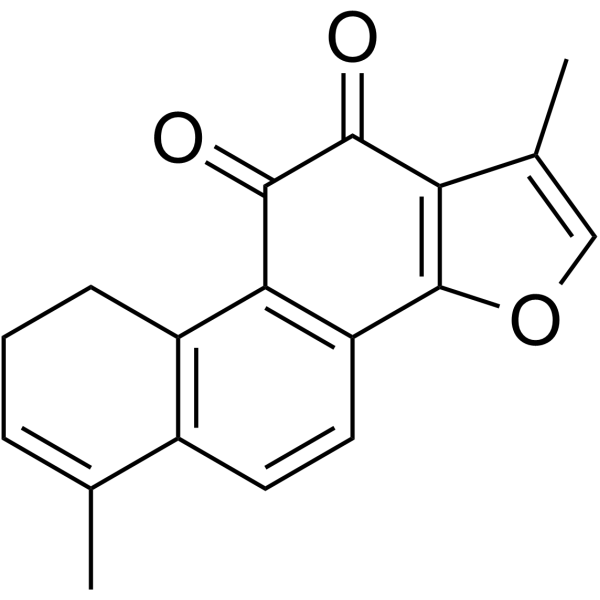 0 ImagesSynonyms: 1,2-Dihydrotanshinquinone1,2-Dihydrotanshinone (1,2-Dihydrotanshinquinone) is an abietane diterpene. 1,2-Dihydrotanshinone inhibits the formation of the pathogenic complex formed between (CUG)n-RNA and the splicing-factor muscleblind-like 1 (MBNL1). 1,2-Dihydrotanshinone can be used for the research of myotonic dystrophy type 1.
-
Cytarabine triphosphate
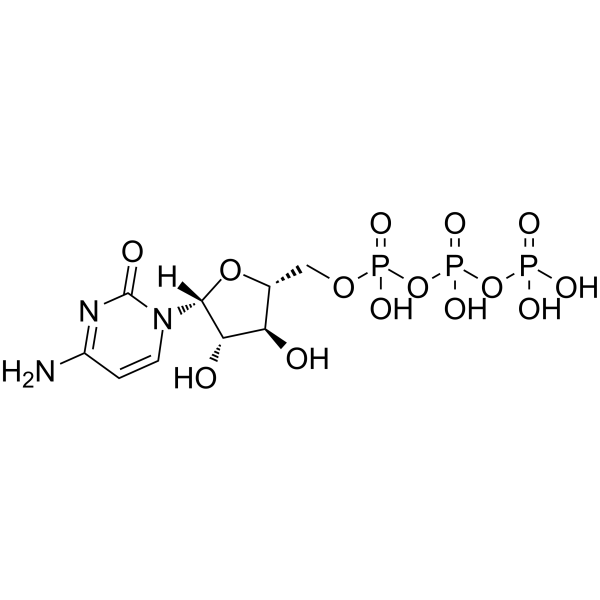 0 ImagesCat. No.: HY-115740CAS No.: 13191-15-6Synonyms: Ara-CTPCytarabine triphosphate (Ara-CTP), an active metabolite of Cytarabine, is a competitive inhibitor of DNA synthesis. Intracellular Cytarabine triphosphate levels can be used to predict chemosensitivity of leukemic blasts to Cytarabine.
-
Guanosine triphosphate-15N5,d14 (dilithium)
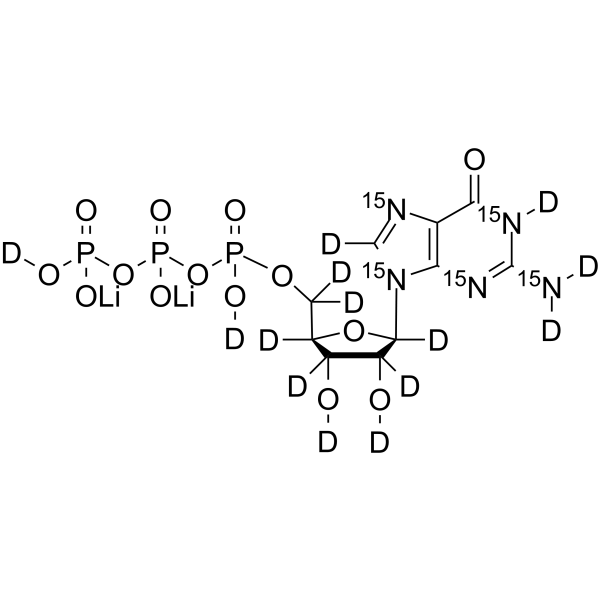 0 ImagesCat. No.: HY-113225S4Purity: 98.4%Synonyms: GTP-15N5,d14 dilithiumGuanosine triphosphate-15N5,d14 (GTP-15N5,d14) dilithium is deuterium and 15N labeled Guanosine triphosphate (HY-113225). Guanosine triphosphate dilithium (GTP) is a critical nucleotide and regulator of cellular metabolism. Guanosine triphosphate dilithium promotes ribosomal DNA localization, pre-rRNA transcription and ribosome biogenesis by binding to RNA polymerase I and GPN proteins (GPN1/3). Guanosine triphosphate dilithium links MYC-dependent ribosome biogenesis to nucleotide sufficiency, acts as a metabolic gatekeeper supporting protein synthesis, DNA/RNA synthesis and cellular signal transduction, while also participating in the physiological activities of pancreatic β-cells and serving as an oxidative substrate for reactive oxygen species. In small cell lung cancer with high MYC expression, Guanosine triphosphate dilithium accumulates through the IMPDH-driven synthetic pathway, thereby affecting apoptosis and mitotic processes. Guanosine triphosphate dilithium is used in the research of small cell lung cancer, hepatoblastoma and cellular metabolism.




